Waste Valorization Project
The most advanced waste processing facility in the Dominican Republic. Transforming how cities manage waste across the Caribbean's largest island.
A Global Crisis
Open Dumping: A Worldwide Problem
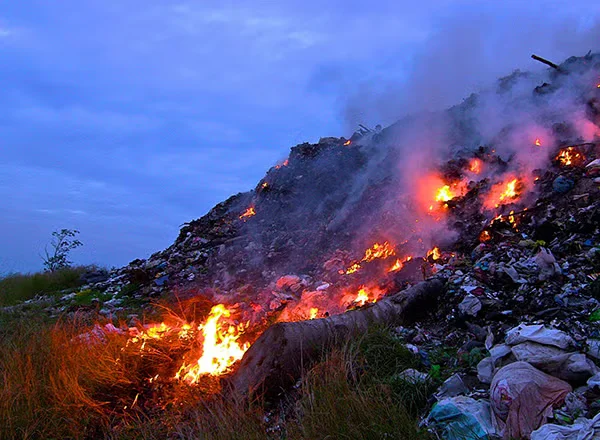
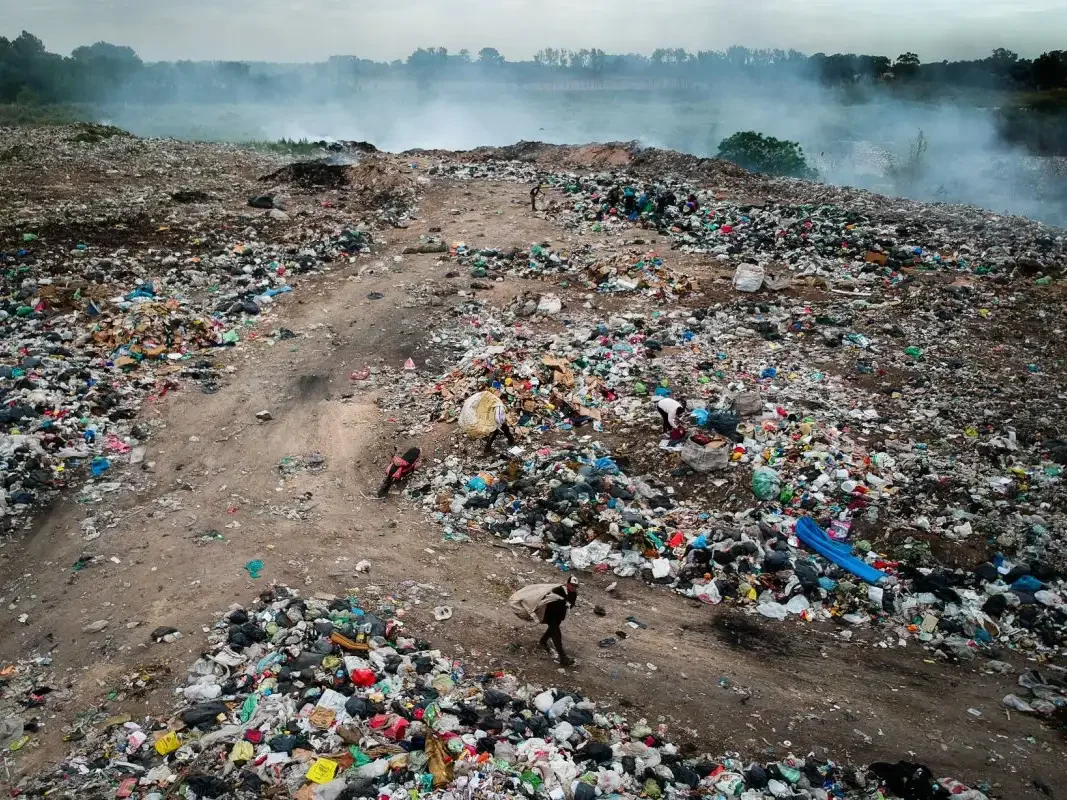
Across the developing world, waste is burned in open dumps or left to decompose without management. This practice releases methane, toxic smoke, and leachate that contaminates water supplies and ecosystems.
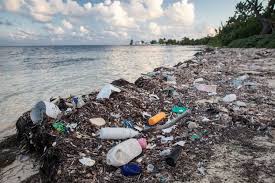
In the Caribbean, plastics flow into the ocean, threatening marine life and tourism economies. The health impacts are severe: respiratory disease, cancer clusters near dumpsites, and contaminated drinking water.
Tackling a National Crisis
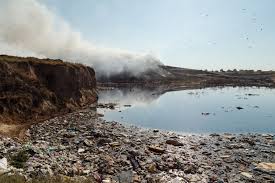
Waste is the Dominican Republic's 4th largest source of greenhouse gas emissions. Across the country, open dumpsites release toxic smoke, leachate contaminates aquifers, and plastics flow into the Caribbean Sea.
The Waste Valorization Project demonstrates how modern materials recovery can replace open dumping. Located in San Francisco de Macoris, the cocoa capital of the DR, this facility is the blueprint for transforming waste management nationwide.
Materials are sorted for recycling, organics become compost, and non-recyclable combustibles become refuse-derived fuel. Only inert materials go to the engineered landfill.
From Open Dumps to Circular Economy
See how waste that was once dumped openly is now transformed into valuable resources through sorting, processing, and recovery.
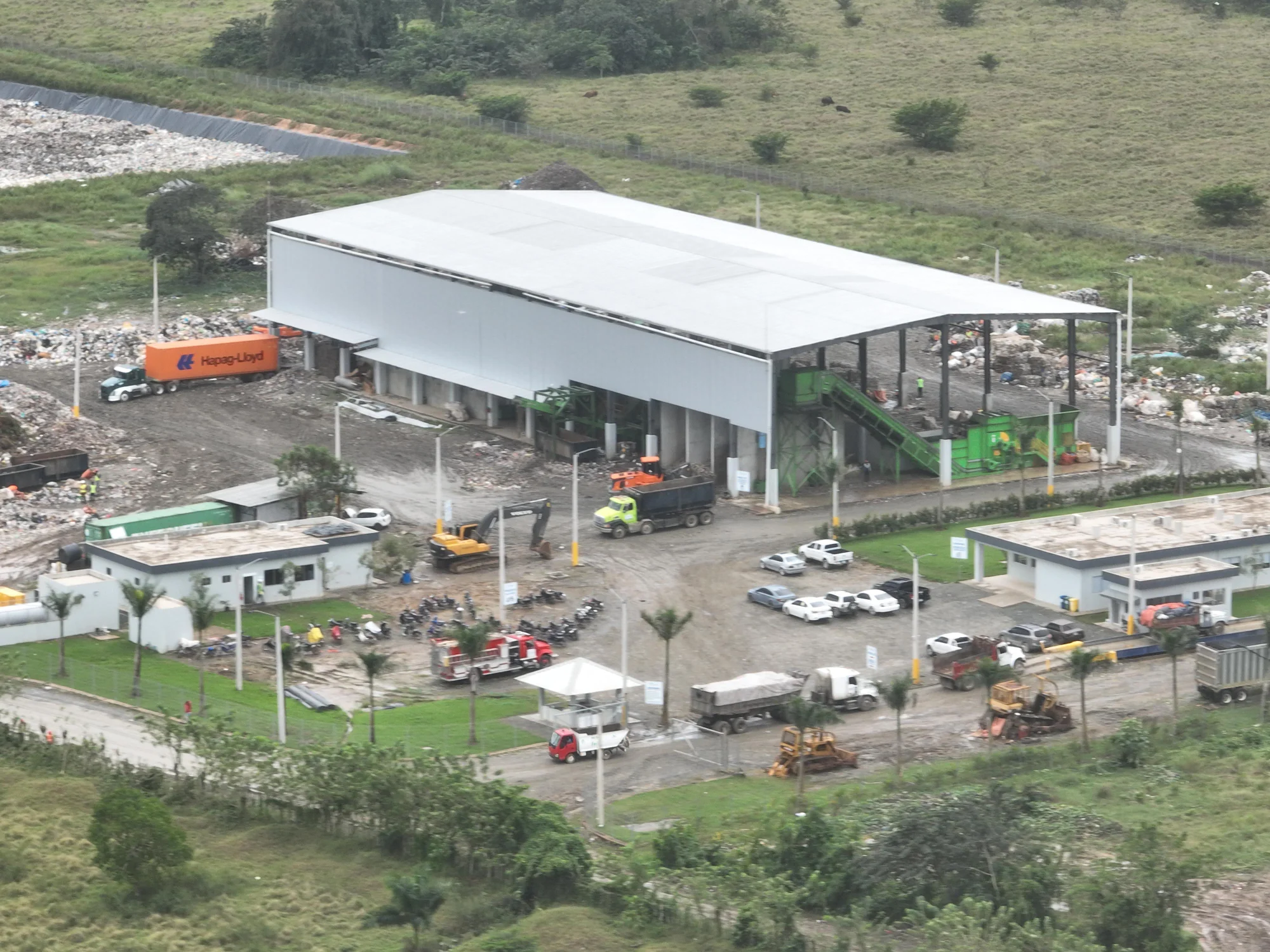
Modern Materials Recovery Facility
The Movil Soluciones Ambientales facility features mechanical sorting lines, baling equipment, and RDF processing, replacing the open burning that once polluted the region.
Municipal Waste Collection
San Francisco de Macoris and surrounding communities
Movil Valorization Facility
Materials Recovery & Processing CenterReceiving
Weighing & inspection
Sorting
Mechanical & manual separation
Processing
Material-specific treatment
Recovery
Value extraction & output
Recyclables
RDF
Refuse Derived Fuel
Compost
Organic Recovery
Engineered Landfill
Inert Materials Only
Protecting San Francisco de Macoris & Beyond
By diverting waste from open dumps, we prevent plastics from entering waterways, eliminate toxic emissions from burning, and protect the region's cocoa-producing agricultural lands from contamination.
Powered by Midori Earth
Bringing AI and automation to waste valorization projects, transforming how circular economy delivers climate impact at scale.
From Open Dumps to Intelligent Systems
San Francisco de Macoris was once plagued by open dumping and inefficient incineration. The SFM Waste Valorization Project, powered by Midori Earth's platform, transforms this reality. Our technology integrates AI and automation across the entire project lifecycle, turning complex waste streams into tracked, verified carbon credits.
Midori Hub™
Carbon Project Management PlatformAI-Powered MRV
Automated waste stream monitoring, emissions calculations, satellite verification, and real-time reporting for carbon credit generation.
Scale
Replicate across the Caribbean
Transparency
Every tonne tracked and verified
Efficiency
Automated MRV and reporting
Value
Premium carbon credits
Powering the NKP Flywheel
Platform fees from project management tasks provide buyback pressure to NKP, while credit allocations to Midori Earth help fund the NKP flywheel, creating a sustainable cycle of conservation financing.
From Waste to Value
Every material stream captured, processed, and returned to productive use.
Refuse Derived Fuel (RDF)
Non-recyclable materials transformed into clean-burning industrial fuel
Waste fed into industrial shredder
Material processed into RDF
What is RDF?
Refuse Derived Fuel is produced by shredding non-recyclable combustible waste, including plastics, textiles, and paper that cannot be recycled. The resulting fuel has high calorific value and burns cleaner than raw waste.
Why RDF Matters
The facility sells RDF to cement kilns and industrial facilities, where it replaces heavy fuel oils and, in some cases, wood fuels. By displacing wood-based fuels, RDF production helps keep forests intact while providing a sustainable alternative to fossil fuels.
Ready for Market
Processed RDF bales are hermetically sealed, loaded, and shipped to industrial customers
RDF hermetically sealed for transport
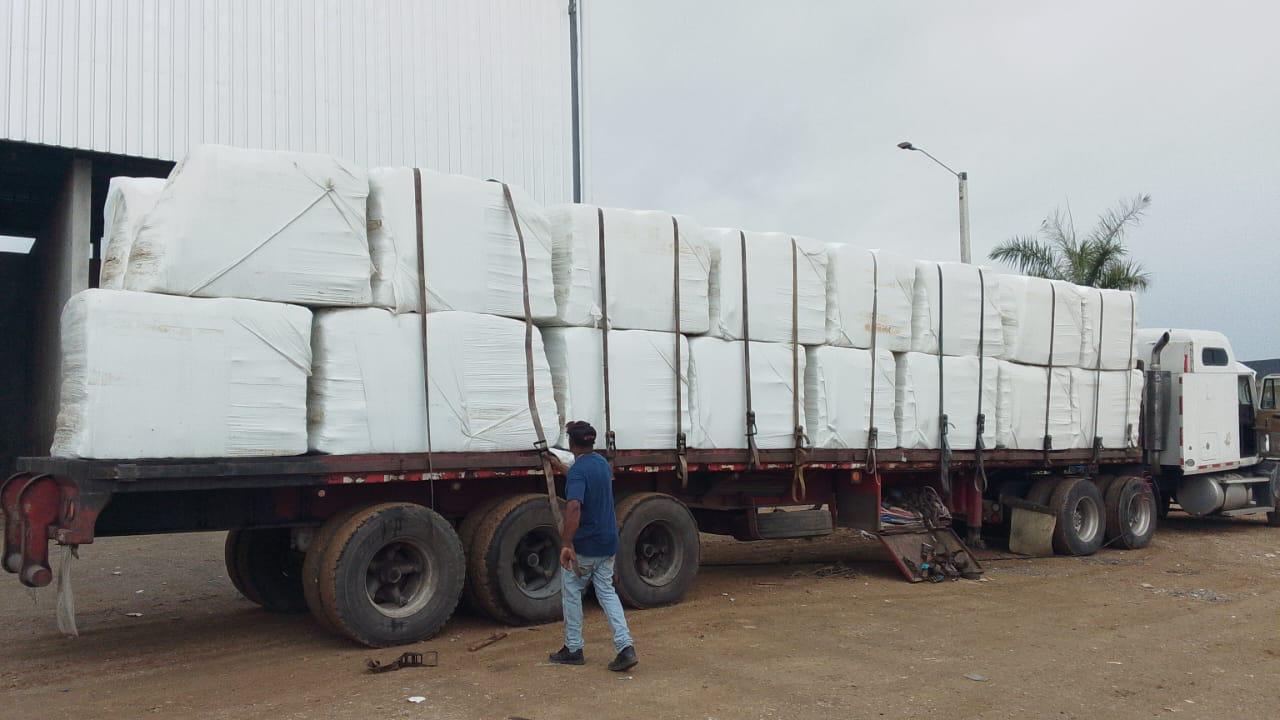
Wrapped bales loaded for delivery
Materials Recovery
Recyclable materials sorted, baled, and returned to the economy
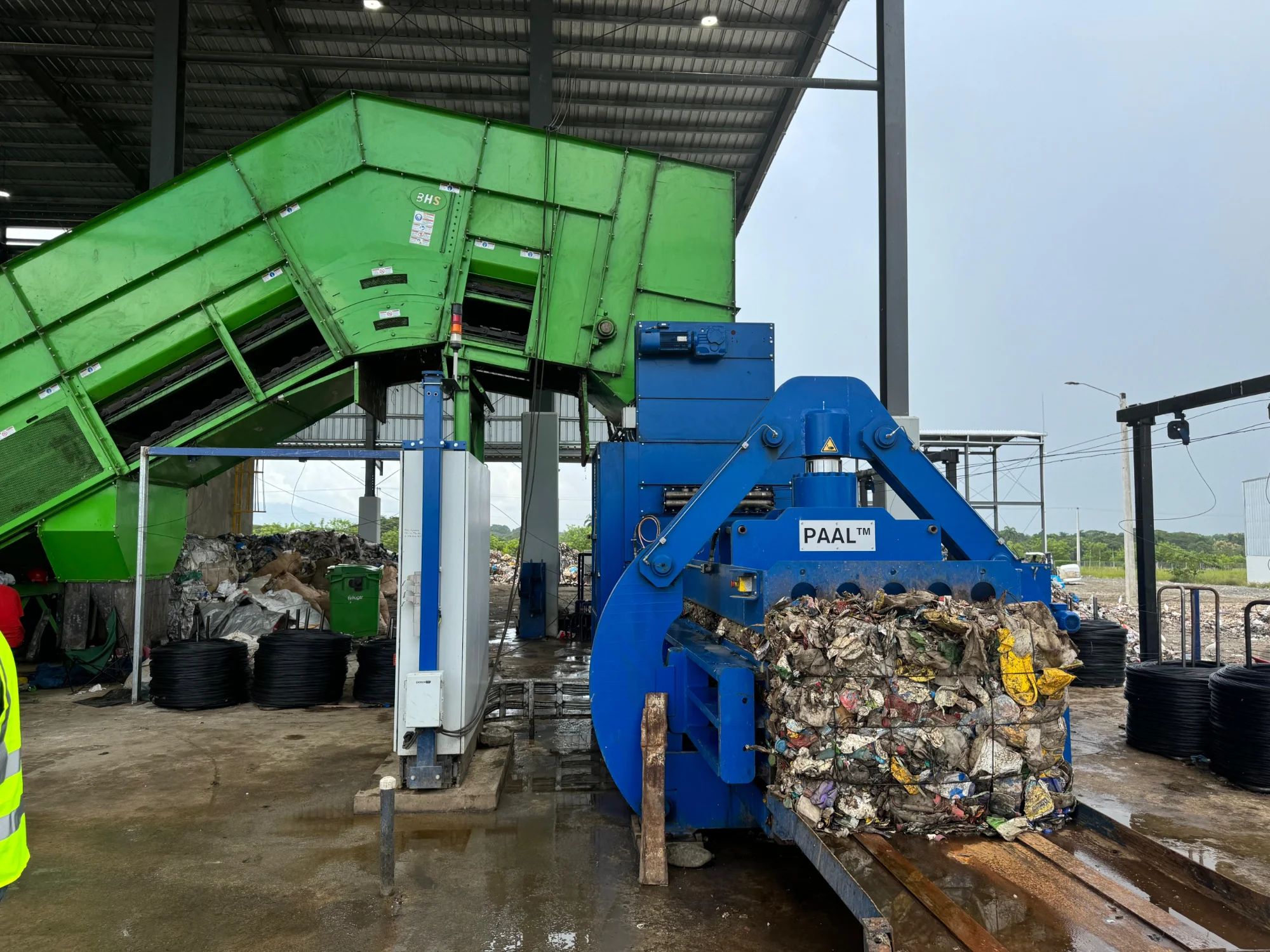
Sorting & Baling
Industrial baler compacts sorted materials for efficient transport to recycling markets
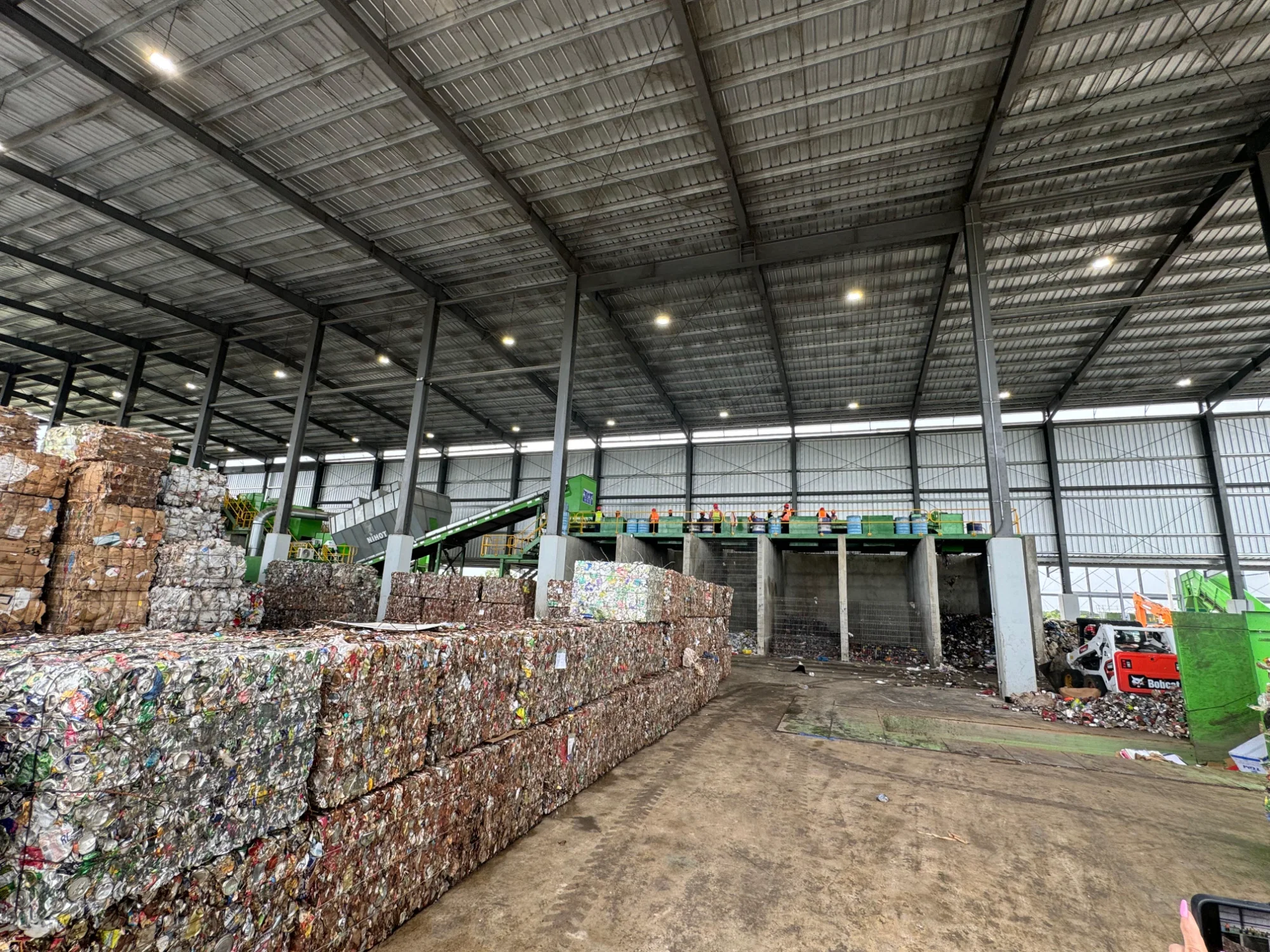
Ready for Recycling
Baled aluminum, cardboard, and plastics staged for sale to local and export markets
Sustainable Development Impact
The SFM Waste Valorization Project directly contributes to 12 UN Sustainable Development Goals through emissions reduction, ecosystem protection, and economic opportunity.
Creating income opportunities for waste workers and local communities
Eliminating toxic smoke from burning waste protects community health
Lined landfills and leachate management protect groundwater
RDF provides clean-burning alternative fuel for industry
Creating jobs in sorting, processing, and logistics
Building modern waste processing infrastructure and innovation
Modern waste management for urban communities
Circular economy keeps materials in productive use
Significant GHG reductions through waste diversion and methane capture
Preventing plastic and leachate from reaching the ocean
Protecting ecosystems from contamination and pollution
Public-private partnerships driving sustainable waste solutions
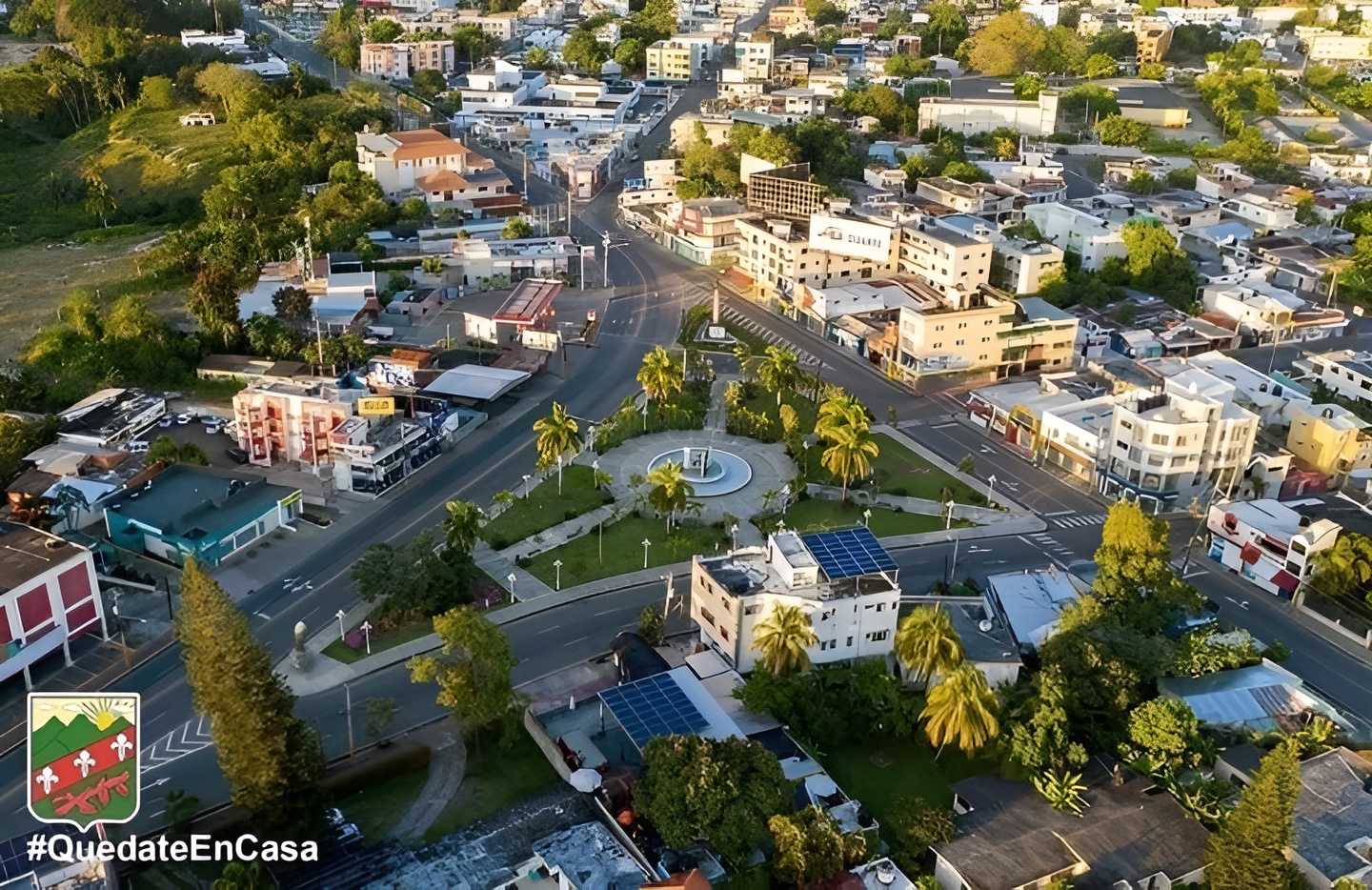
San Francisco de Macoris
Capital of Duarte Province, known as the Cocoa Capital of the Dominican Republic
Project Partners

Partner With a Flagship Project
Learn more about how the SFM Waste Valorization Project and Midori Earth are setting the standard for waste-to-carbon initiatives.